Is Your Conversational Data Safe? A Deep Dive into AI Companion Privacy Policies

When you chat with an AI companion, the conversations feel much more personal than a standard search on Google or Bing. You might share your biggest dreams, talk about a tough day at work, or get involved in detailed romantic roleplay.
But as this area grows, an important question comes up: Is Your Conversational Data Safe? If you are looking into commercial platforms, understanding the AI girlfriend app privacy guardrails is crucial. Many users especially want to know is Candy AI safe without putting their personal data at risk. Let’s examine the privacy policies of modern companions to see what happens to your private messages.
The Core Technical Reality: Encryption vs. Access
To determine if an app protects your data, it’s important to understand the difference between encryption in transit and end-to-end encryption (E2EE).
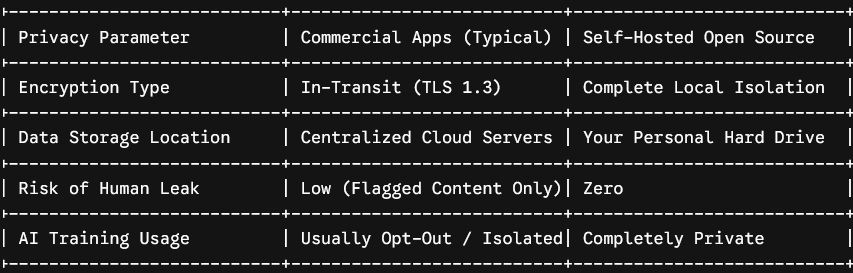
Most leading commercial platforms use standard TLS 1.3 encryption in transit. This means that as your message travels from your device to the platform’s servers, it cannot be intercepted by outside hackers.
However, unlike private messaging apps like Signal or WhatsApp, most commercial AI companion apps do not use end-to-end encryption. The platform’s cloud server must continuously process your text with a large language model (LLM) and a vector memory database, meaning the servers can technically read your chats.
Deep Dive: Is Candy AI Safe?
Candy AI, which is operated by its parent company EverAI, is one of the largest web-based companion studios available. If you want to evaluate its security profile, here’s what the technical and community data reveal:
- Data Isolation & Model Training
Many creators worry that their private chats might be used to train public models, possibly exposing their conversations to others. Candy AI clearly states that your private chats are kept separate and are not used to train public models. Your interactions are linked only to your individual profile. - The Manual Review Clause
Because Candy AI follows strict trust, safety, and legal rules, such as preventing the creation of underage content or real-world non-consensual imagery, they use automated moderation filters. If a prompt raises a safety flag, system protocol allows for a manual review of the flagged text by administrators to protect the platform’s environment. - Discreet Billing Practices
Privacy isn’t just about text data; it also involves your financial information. Candy AI processes credit card transactions through secure, third-party services and uses discreet billing names, often appearing on bank statements as neutral corporate names like “EverAI London,” to keep your subscription profile private.
Essential Privacy Best Practices for AI Companions
If you want to enjoy the experience of an AI relationship while protecting your online presence, follow these simple security tips:
- Practice Strict Anonymity: Never share your real full name, exact home address, workplace, or sensitive financial information in the chat. Treat the conversation like an interactive story, not a security clearance interview.
- Use Dedicated Email Accounts: Sign up for companion platforms with a different, secure email address that is not linked to your work or main social media accounts.
- The Local Alternative: If you are very concerned about privacy and don’t want data stored on corporate servers, consider moving away from cloud apps. Frontends like SillyTavern combined with local execution backends like KoboldCPP let you run models directly on your own hardware, ensuring your data stays within your space.
The Verdict
In the end, commercial platforms like Candy AI offer strong, industry-standard protections to keep your account safe from outside data breaches and secure your financial transactions. However, since cloud-based models require centralized text processing, those who prioritize privacy should be careful about what they share or consider switching to completely local, self-hosted options.